
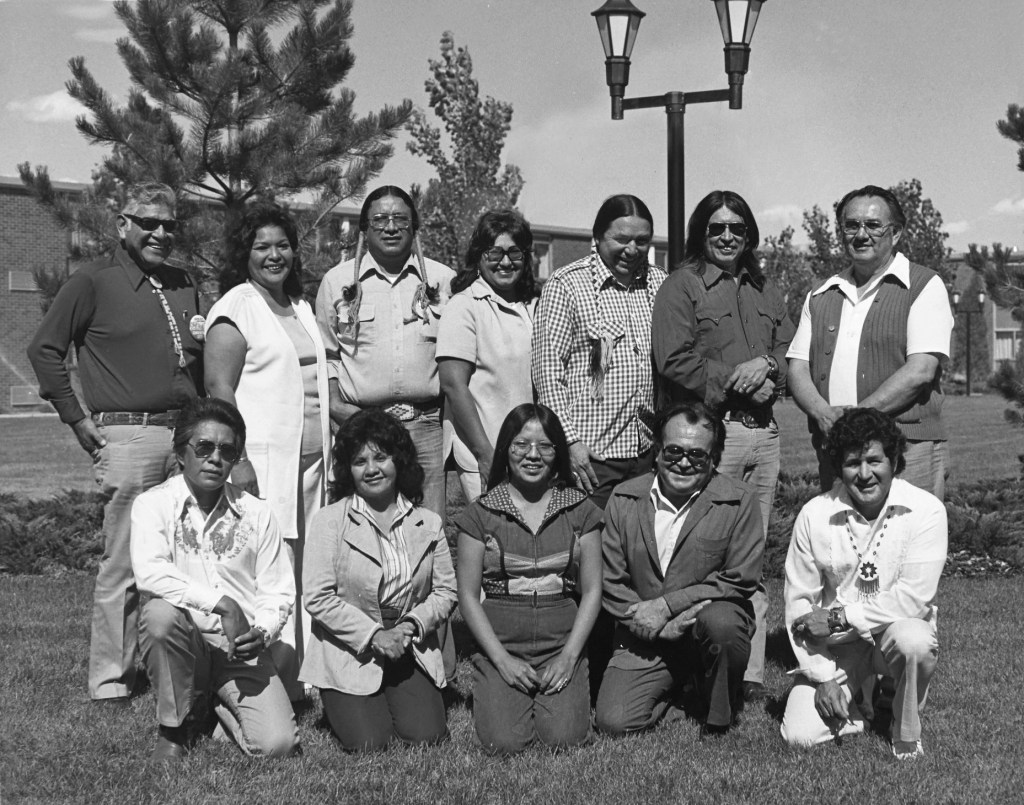
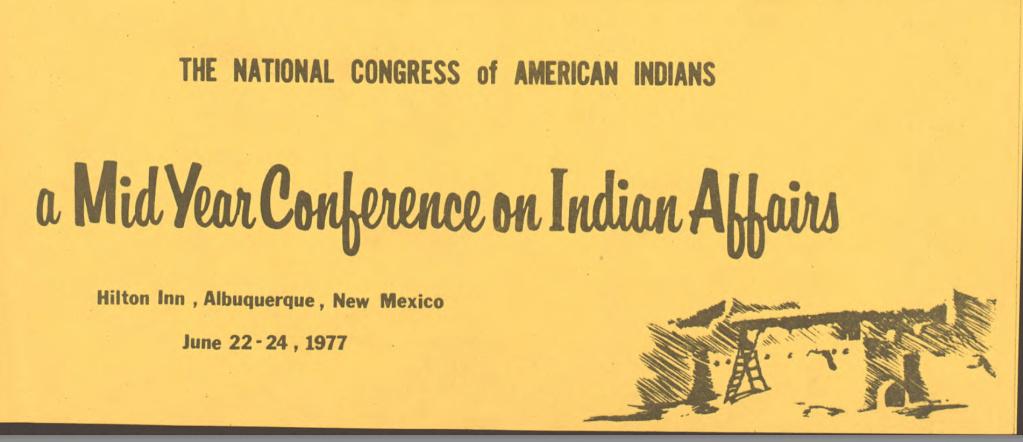
Although NCAI was founded in 1944, a new chapter in the organization’s history began 33 years later at the first Mid Year Conference in Albuquerque, New Mexico, in June 1977. This conference was developed at the Executive Council Winter Session held earlier that year. During that session, NCAI leaders adopted a plan calling for an additional annual conference to be held that summer before the next conference scheduled for the fall.
By spring 1977, NCAI leaders had narrowed down the reasoning for the inaugural Mid Year Conference. The purposes for the Conference were to update Tribal Nations and Native organizations on the Carter Administration; to inform them of the legislative activities of the 95th Congress in which several bills of importance to Tribal Nations were being considered; and to plan a strategy to combat the alarming rise in national anti-tribal organizations cropping up at the time.
Throughout the Mid Year meeting, there was much disappointment and frustration voiced at the newly inaugurated Carter Administration. NCAI leaders, such as President Mel Tonasket, called out the White House and the Department of the Interior for not doing enough to support Indian Country. Leaders were most frustrated by the months-long delay in selecting someone to fill the new cabinet-level position of Assistant Secretary of the Interior for Indian Affairs (formerly known as the Commissioner of Indian Affairs).
NCAI leadership believed that this continued vacancy was indicative of a larger problem with the Carter Administration. Newspaper reports at the time described the Executive Branch’s “feet dragging” as something that hung like a “dark cloud” over the meeting. Although the Administration had solicited recommendations for qualified individuals from Tribal Nations, many began to suspect that this apparently democratic process was merely “lip service”, and that an individual had already been selected behind the scenes long before any names were even submitted.
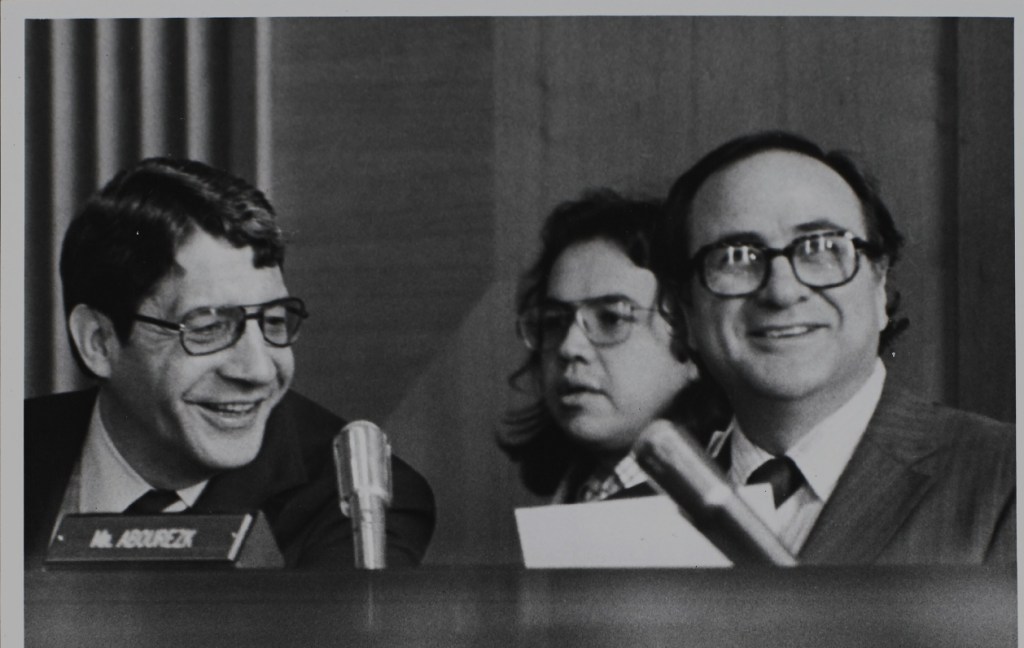
The NCAI Executive Council and their ally in Congress, Senator James Abourezk (D-SD), preferred NCAI President Mel Tonasket (Confederated Tribes of the Colville Reservation) for the role. Another candidate was Forrest Gerard (Blackfeet Nation) who eventually was chosen for the position. Gerard remained in that role until January 1980.
Throughout the rest of the Conference, tribal leaders and attendees delved deep into pressing legislation affecting Tribal Nations. Held in conjunction with the Mid Year, tribal leaders attended a Senate Select Committee on Indian Affairs oversight hearing on the limitations of the Indian Self-Determination and Education Assistance Act, (ISDEAA). Known as Public Law 93-638, ISDEAA gave Tribal Nations inherent rights to govern their own land as well as to enter into contracts with the federal government to administer programs serving tribal members. Although signed into law in 1975, ISDEAA was already not being administered the way it was intended, resulting in the proposal of additional amendments just two years after its adoption.
Ernest Stevens, Sr. (Oneida Nation), then Staff Director of the Senate Select Committee on Indian Affairs, led the hearing to solicit input from tribal leaders. At question was whether federal administrators had limited Congress’ intent to provide Tribal Nations a seat at the table in the planning, administration, and funding distribution of federal programs. Following this hearing, there was a panel discussion including Joe De La Cruz (President, National Tribal Chairmen’s Association), Mel Tonasket (President, NCAI), Peter McDonald (Chairman, Navajo Nation), and Del Lovato (Director, All Indian Pueblo Council). The purpose of this discussion was to deliberate on potential amendments to the Act.
Conference attendees also participated in discussions about the alarming rise in anti-Indian sentiment across the nation, and the appearance of new vocal non-Indian groups that opposed attempts at tribal sovereignty. NCAI leaders called for Tribal Nations, government agencies, and associations to unite and combat the race-based propaganda and lies spread by these groups with factual information about Indians and their sovereign rights. Of great concern were 14 “backlash bills” introduced into the 95th Congress designed to erode tribal sovereignty, abrogate treaties, and terminate the federal government’s responsibilities to American Indians. It was clear to NCAI leaders that they were, once again, facing the same challenges their forefathers had in 1944.
Several positive developments came out of the first Mid Year Conference, putting NCAI in a stronger position to handle the numerous challenges that lay ahead. As part of a greater effort to collaborate with its partner organizations, NCAI leaders announced a plan for cooperation with the National Tribal Chairmens’ Association (NTCA) to work together on issues of importance, such as protection of natural resources.
Another promising outcome came as a direct result of discussions at Mid Year. In the summer of 1977, after the Conference had concluded, President Carter vowed to conduct a comprehensive review of all federal programs for Tribal Nations and their citizens—something explicitly called for by NCAI leaders at the outset of the conference.
It was no coincidence that NCAI leaders chose 1977 as the year to start this new chapter of its fight for tribal sovereignty. Archival documents of this time acutely convey the urgency held by NCAI and tribal leaders to address the issues facing them. From this moment moving forward, a new era began in the fight for the rights of Indian people across the nation. This year was a critical and challenging one for Indian Country, so it followed suit that the organization’s leaders would adapt to a new meeting schedule that better responded to the challenges of the time.
If you would like to learn more, please listen to the NCAI Sentinel Podcast now available on all streaming platforms.
 The Sentinel